Africa is a special continent filled with amazing wildlife, beautiful plants, and rich cultures. One of the best experiences in East Africa is watching the great wildebeest migration in Kenya and Tanzania, and trekking to see the endangered mountain gorillas in Rwanda.
These two activities are unique to East Africa. Visitors can see some of the world’s most interesting animals and learn about how they live and survive.
What is exciting is that you can combine both the wildebeest migration safari and gorilla trekking adventure during one trip to East Africa.
Here are some tips and facts to help you plan your African adventure smoothly.
Wildebeest Migration Safaris in Kenya & Tanzania
What is the Wildebeest Migration?
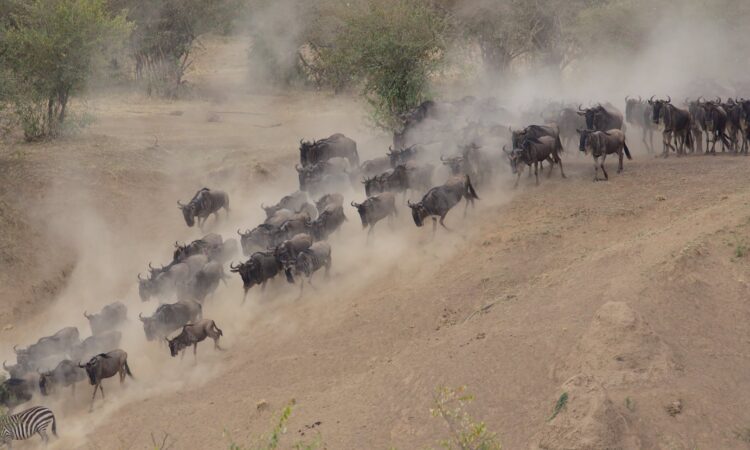
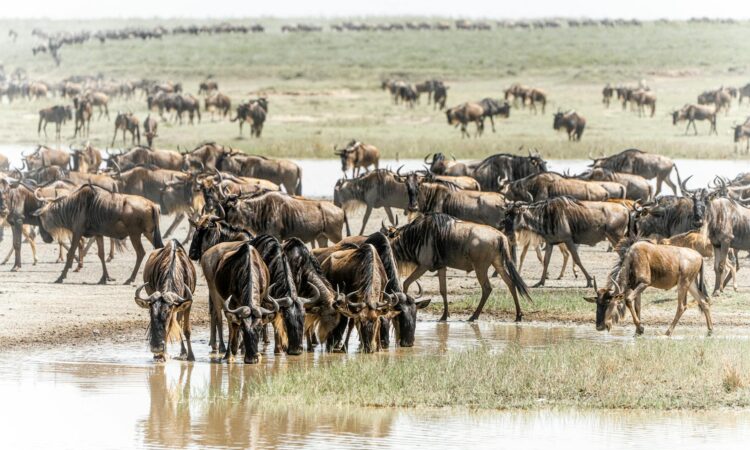
The wildebeest migration is one of the most famous natural events in the world. It involves over two million wildebeests, zebras, and antelopes like elands and gazelles moving across the Serengeti plains in Tanzania and the Masai Mara reserve in Kenya.
They follow the rains and move to areas with fresh grass. The migration is a continuous cycle of about 3,000 kilometers, driven by their need to survive.
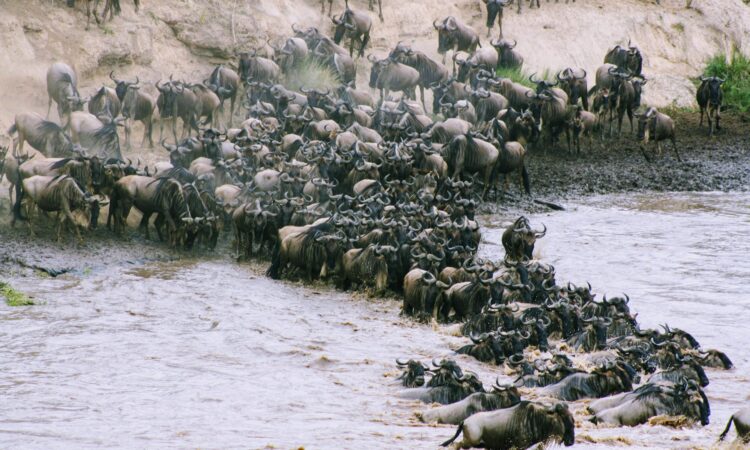
Along the way, the animals face many dangers, such as attacks by predators, diseases, and drowning in rivers. One of the most dramatic moments is when the herds cross the Mara River, where crocodiles and strong currents make the crossing dangerous. This river crossing tests the wildebeests’ courage and strength.
Before crossing, the herds usually stay by the river for about two weeks, gathering their courage. This dramatic scene has earned the nickname “Earth’s Greatest Show.”
The Best National Parks for Wildebeest Migration Safaris
The best places to see the migration are Serengeti National Park in Tanzania and Masai Mara National Reserve in Kenya. These two parks are linked by a natural corridor that lets the animals move freely.
Serengeti covers about 24,000 square kilometers, while Masai Mara covers around 1,500 square kilometers. Both parks are famous for their rich wildlife.
The best time to see the migration depends on what you want to witness—river crossings or the calving season. The migration is a natural event, so the timing can change each year depending on the weather and other factors. However, general patterns help travelers plan.
- January to March: Wildebeests are in southern Serengeti, around Ndutu and the Ngorongoro Conservation Area, giving birth to calves. This is a great time to see large herds and many predators like lions, cheetahs, and hyenas hunting young calves.
- April to June: The wildebeests move north towards the western Serengeti, facing their first river crossing at the Grumeti River. This is a good time to see river crossings, though this river is smaller than the Mara River.
- July to October: The herds reach Masai Mara in Kenya. This is the peak season for river crossings at the Mara River, attracting many tourists.
- November to December: The wildebeests start heading south again to eastern Serengeti, finding fresh grass after short rains. This is a quieter time to see smaller herds as they prepare for the next calving season.
Why Does the Great Wildebeest Migration Happen?
The main reason is survival. Wildebeests search for fresh grass and water, following the rains that help the grass grow. Another reason is instinct—they have learned these routes from their ancestors, and it is part of their natural behavior to move to certain areas at certain times.
How to Plan a Wildebeest Migration Safari
A wildebeest migration safari is a special experience that needs good planning. Here are some tips:
- Choose Your Destination: Decide whether to visit Tanzania, Kenya, or both. Each has different visa rules, flight options, park fees, and types of accommodation.
- Choose Your Timing: Visit at a time that matches what you want to see. Use apps like HerdTracker to check real-time updates on the herds’ location.
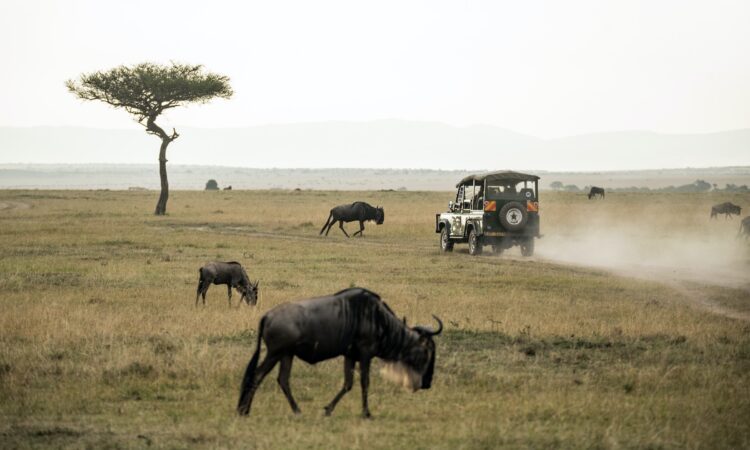
- Choose Your Transport: You can travel by road or fly. Road safaris are cheaper but can be long and bumpy. Flying is faster but costs more. Some people combine both.
- Choose Your Accommodation: Options range from luxury lodges to budget camps. Mobile camps move with the herds and are great for adventure seekers.
- Select Activities: Choose from game drives, walking safaris, balloon safaris, cultural tours, birdwatching, and photography.
- Book with a Trusted Tour Company: A good company will handle all the details, keeping you safe and making sure your safari goes smoothly.
Interesting Facts About the Wildebeest Migration
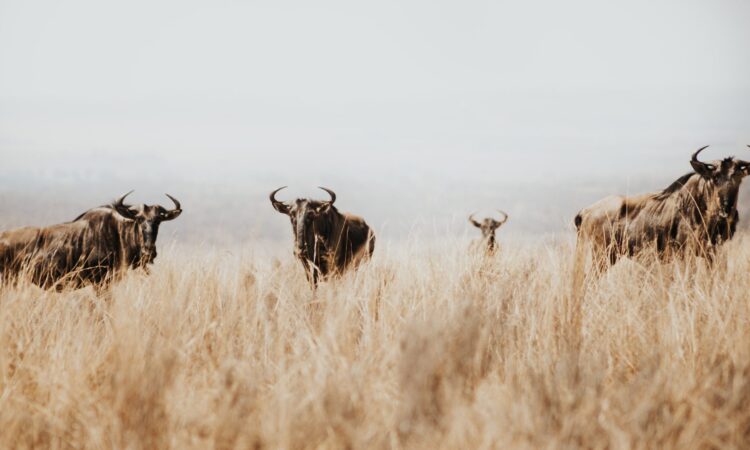
- The wildebeest migration is the largest land animal migration in the world, with over 1.5 million wildebeests and thousands of zebras and antelopes.
- Predators like lions, cheetahs, and hyenas follow the herds to hunt.
- Wildebeests and zebras help each other—zebras eat tall grass while wildebeests eat the short grass, and wildebeests alert zebras of danger.
- Wildebeests can make around 10 different sounds, like grunts and snorts.
- They can run up to 80 kilometers per hour, swim across rivers, and jump obstacles.
- Wildebeests live about 20 years in the wild, and even longer in captivity.
- Wildebeests are also called gnus, from the Afrikaans word for “wild cattle.”
- They belong to the Bovidae family, along with cows, goats, and sheep.
About Gorilla Trekking in Rwanda
Gorilla trekking is an adventure that involves hiking through the dense tropical forests of Rwanda to find endangered mountain gorillas. These are the largest and rarest primates in the world, with only about 1,000 left in the wild. They live in family groups led by a dominant male called a silverback, who protects the females and young ones from danger.
Gorilla trekking is a unique and rewarding experience that lets you observe these gentle animals in their natural home. Gorillas share about 95% of their DNA with humans, so during your trek, you may notice familiar behaviors like laughter, grooming, and the use of hands.
Where and When to Go Gorilla Trekking in Rwanda
The only place for gorilla trekking in Rwanda is Volcanoes National Park in the northwest of the country. The park covers around 160 square kilometers and is part of the Virunga Massif, a chain of volcanic mountains that stretches across Rwanda, Uganda, and Congo.
The park is home to about 300 mountain gorillas, divided into 13 habituated groups that are visited by only eight people per day. Each group has its own name, personality, and history. For example, the Sabyinyo family lives on the slopes of Mount Sabyinyo and was one of the first groups to be habituated.
Other gorilla families include Susa, Karisimbi, Umubano, Amahoro, Kwitonda, Bwenge, Hirwa, Agashya, Ugyenda, Baraka, Noheli, and Kwisanga. These groups can be found on Mounts Sabyinyo, Bisoke, and Karisimbi. Mount Karisimbi is also where Dian Fossey’s research center was located. She worked here to study gorillas and made gorilla trekking possible. Her grave is on the mountain and can be visited during treks.
Treks begin early in the morning with a briefing before you head into the forest. The trek can take between 4 to 6 hours, depending on where the gorillas were last seen. The trek can be challenging because of the distance and steep slopes. Once you find the gorillas, you are allowed to spend one hour with them before heading back.
Besides gorilla trekking, visitors can hike the mountains (except Mount Gahinga, which is only accessible from Uganda). During hikes, you may also see other animals like forest elephants, golden monkeys, bushbucks, forest hogs, and buffaloes, as well as many plant types like montane forests and bamboo.
You can also enjoy nature walks and bird-watching. The park is home to more than 180 bird species and is recognized as an Important Bird Area.
What to Pack for a Gorilla Trekking Tour in Rwanda
It’s important to pack the right gear for gorilla trekking. You should bring strong hiking shoes, warm clothes for weather changes, and a raincoat because it often rains in the rainforest.
Other useful items include a jacket, water, snacks for energy, and sweets. While in the park, you must follow the rules, such as not littering, not wearing bright-colored clothes, not using camera flash, and avoiding direct eye contact with the gorillas to prevent provoking them.
Best Time to Trek Gorillas in Volcanoes National Park
The best time to trek gorillas in Rwanda is during the dry seasons, but trekking is available all year round. The park has mild weather, with temperatures between 15°C and 25°C. However, weather changes can happen suddenly and affect your trek.
- June to September and December to February: These are the dry seasons, and trekking is easier because the trails are less muddy, and visibility is better. It is a popular time, so expect more tourists and higher prices, especially for accommodation and tours.
- March to May and October to November: These are the wet seasons. Treks are still available, and there are fewer visitors and lower prices. However, trails can be muddy and slippery, and it may rain often.
Getting a Gorilla Trekking Permit in Rwanda
To trek gorillas in Volcanoes National Park, you need a gorilla trekking permit. Permits are issued by the Rwanda Development Board (RDB) and can be booked directly or through a tour company.
Each permit allows you to spend one hour with a gorilla group. Only eight people can visit each group per day, and since there are 13 groups, only 104 permits are available daily. Permits should be booked in advance because they are limited to reduce human impact on the gorillas and avoid spreading illnesses like colds or flu.
Trekking mountain gorillas in Rwanda is a once-in-a-lifetime adventure and is a great addition to a wildebeest migration safari in Kenya & Tanzania.
Prepare for a lifetime wildebeest migration by reaching out to our migration safari companies and experts or submit an inquiry below to start planning your unforgettable safari adventure with us.