The Wildebeest Migration & Chimpanzee Trekking – The wildebeest migration is a yearly wildlife event in Kenya and Tanzania. Millions of wildebeests, zebras, and antelopes move across Serengeti National Park and Masai Mara National Reserve, following the rains and fresh grass. Along the way, they face dangers like predators and river crossings.
The best time to visit depends on what you want to see, like river crossings or baby wildebeests. Good lodges and experienced guides help make the safari enjoyable. You can also add chimpanzee trekking in Rwanda’s Nyungwe Forest or Uganda’s Kibale Forest to your adventure.
You need permits for chimpanzee trekking, and it’s best done in the dry season when hiking is easier.
Wildebeest Migration Safaris in Kenya & Tanzania
The wildebeest migration is one of the world’s most famous wildlife events. Millions of wildebeests, zebras, antelopes, and other herbivores move in a circular pattern, following the rains and fresh grass.
Along the way, they face many challenges such as predators, strong rivers, drowning, and exhaustion.
Best National Parks for Wildebeest Migration
The best places to watch the wildebeest migration are Serengeti National Park in Tanzania and Masai Mara National Reserve in Kenya. These parks share a border and the same ecosystem.
Serengeti covers around 15,000 square kilometers, while Masai Mara covers about 1,500 square kilometers.
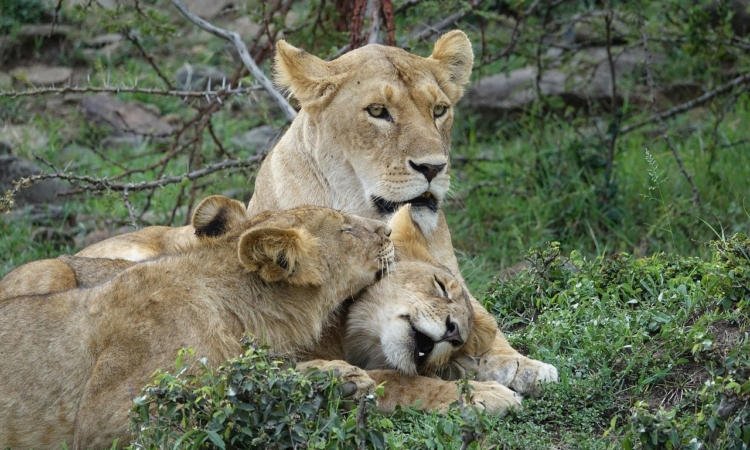
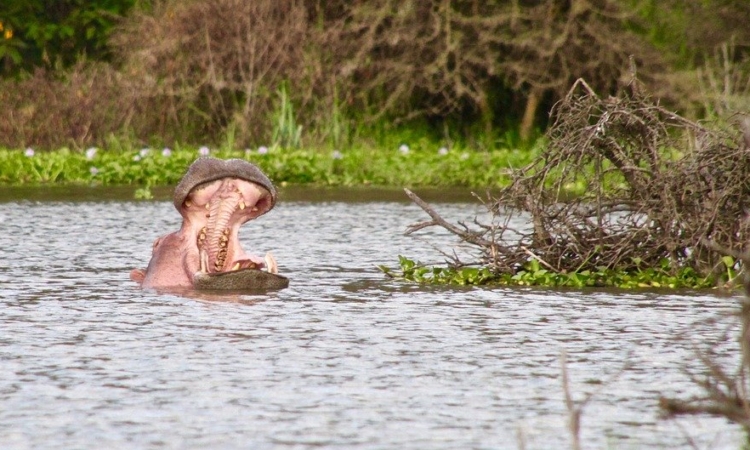
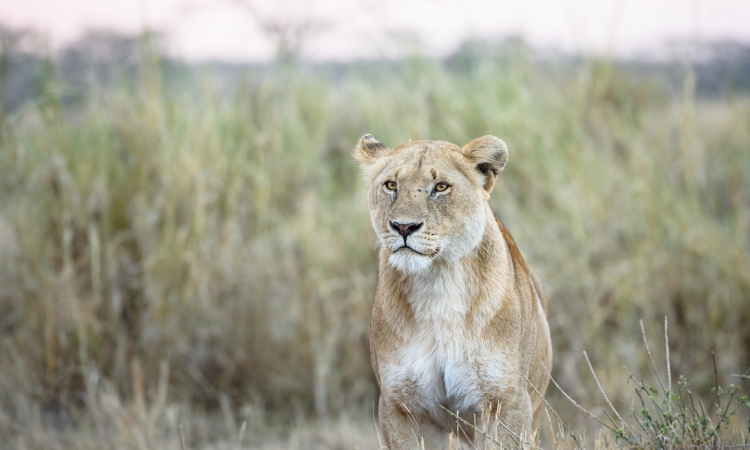
Both parks are home to many animals, including the Big Five (lion, leopard, elephant, rhino, and buffalo), as well as cheetahs, hyenas, giraffes, hippos, crocodiles, and over 500 bird species.
Why Does the Wildebeest Migration Happen?
The migration is driven by changes in rainfall and grass growth. Wildebeests are used to harsh conditions like droughts and predators. They have a strong instinct that helps them find fresh grass and can even sense rain from 50 miles away.
The migration cycle starts from January to March in the Ndutu area of southern Serengeti, where wildebeests give birth. This is also when predators are very active, taking advantage of the young calves.
From March to May, the wildebeests begin moving north as the rains stop and grass dries out. By June and July, they reach the western Serengeti and face their first big challenge: crossing the Grumeti River, which is full of crocodiles.
In August and September, they reach the northern Serengeti and cross the Mara River, which is also dangerous due to crocodiles and strong currents. Wildebeests often wait for days or even weeks at the riverbanks before crossing.
After crossing, they enter Masai Mara, where they find fresh grass but still face predators like lions and hyenas. From October to December, they start moving back to the southern Serengeti as the short rains begin, ready to start the cycle again.
Tips for Planning Wildebeest Migration Safaris
- January to March is best for seeing newborn calves and predators in southern Serengeti.
- June to July is good for river crossings at the Grumeti River.
- August to September is best for river crossings at the Mara River.
- October to December is good for watching large herds moving across the plains.
For the best experience, stay at lodges or camps near migration routes. Some camps are mobile and move with the wildebeests.
Go on game drives with experienced guides who know where to find the animals. You can also try walking safaris, balloon safaris, or cultural visits.
Book early with a trusted tour operator who can handle your itinerary, accommodation, transport, and permits.
Interesting Facts About the Wildebeest Migration
- Over 2 million animals take part in the migration.
- The migration covers about 3,000 kilometers each year.
- The wildebeests don’t follow a leader or a set route. They rely on their instincts to find fresh grass and water.
- The migration supports many local people, including those working in lodges and tour companies.
- More than 200,000 animals die each year due to predators and other dangers.
Chimpanzee Trekking in Rwanda & Uganda
Chimpanzee trekking is another exciting activity you can combine with a wildebeest safari. Chimpanzees are one of our closest relatives. They are intelligent, social animals that live in groups of 30 to 100 members.
Chimps communicate using hand gestures and sounds and show emotions like happiness, sadness, and anger.
Best National Parks for Chimpanzee Trekking
Nyungwe Forest National Park (Rwanda): Covers 1,000 square kilometers and is home to around 500 chimpanzees.
Kibale Forest National Park (Uganda): Covers 800 square kilometers and has about 1,500 chimpanzees.
How to Book Chimpanzee Trekking Permits
- Rwanda: Permits cost $150 per person and can be booked through the Rwanda Development Board (RDB).
- Uganda: Permits cost $250 per person in Kibale Forest and $50 in Kalinzu Forest, booked through the Uganda Wildlife Authority (UWA).
Book in advance, as only a limited number of permits are available each day.
What to Expect on a Chimpanzee Trek
Your trek begins with a briefing at the park headquarters early in the morning. You’ll join a group of up to six people and head into the forest with a guide and ranger.
The hike can take 1 to 4 hours, depending on where the chimps are.
The terrain can be steep and muddy, so be prepared. Once you find the chimps, you’ll spend one hour watching them from a safe distance of at least 7 meters.
You must wear a mask and follow all park rules to protect the chimps from human diseases.
Tips for Chimpanzee Trekking
- The best time to trek is during the dry seasons (June to September and December to February).
- Stay quiet, avoid sudden movements, and never touch or feed the chimps.
- Use a camera with a good zoom lens and avoid flash.
- Bring essentials like water, snacks, rain gear, insect repellent, sunscreen, and a hat.