Wildebeest migration is the movement of more than two million animals across the Serengeti-Mara ecosystem. It becomes most active during the dry season when there is no pasture left in Serengeti National Park.
This forces wildebeests, zebras (which feed on tall grass), and gazelles to move to the Masai Mara National Reserve, where green vegetation is available. However, this is not a permanent move, as they later return home once the grass has regrown.
This huge migration attracts visitors from all over the world who come to witness something they have never seen before.
The best seasons to observe the wildebeest include:
January to March
During this time, grass is scarce, making it easy to see the migrating animals. Although there may be short afternoon rain showers, they don’t greatly affect the tour.
Temperatures are high, with daytime highs around 28°C and lows near 15°C. Most of the female wildebeests are about to give birth, so they move to find enough food for their young.
Migration happens in February around the Ndutu plains.
March to May
These months bring long rains, making the soil moist and helping grass grow. In mid-March, Thomson’s gazelles continue giving birth and move to areas with plenty of food.
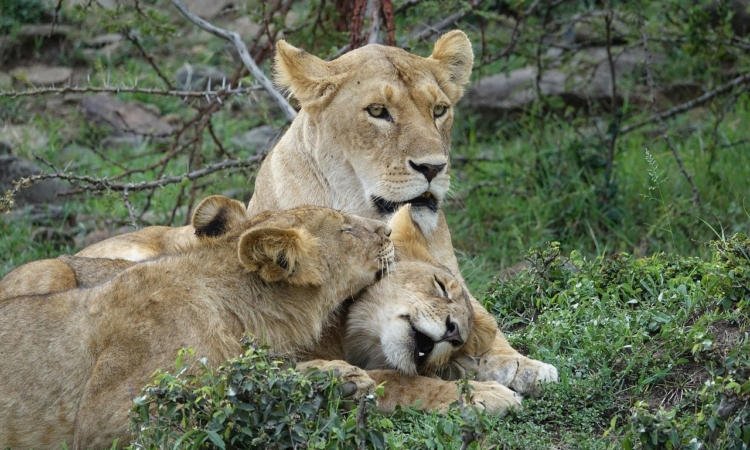
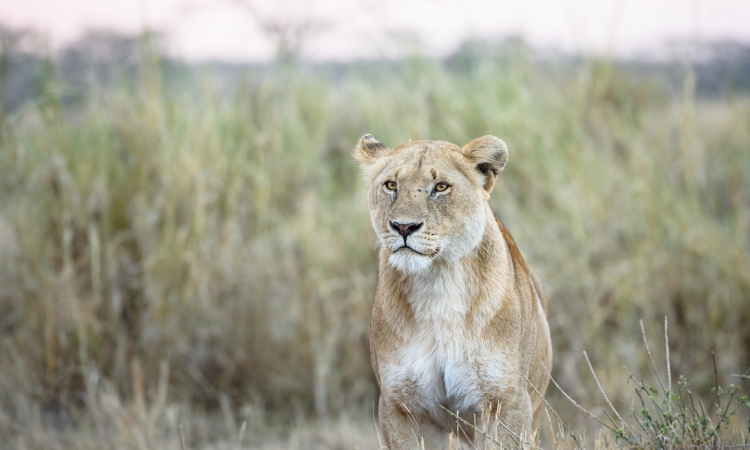
Predators gather in the Ndutu area to hunt, creating a unique scene where lions and cheetahs share the same territory without conflict.
June to December
The major migration happens in December, offering an amazing sight. Short rains fall in October and early November, helping grass grow in the Masai Mara.
The wildebeests then move down from Kenya into the eastern parts of the Serengeti, passing through the Namiri Plains.
The journey starts in August, and they cross the Mara River, where crocodiles lie in wait. The herds spread across the northern Masai Mara Reserve, while others remain in the Northern Serengeti.
During this time, predators gather at the river, making the crossing dangerous, and many animals lose their lives. By September and October, the situation settles down.
Accommodations with good locations to watch the migration include Serian Serengeti Camp, Kati Kati Camp, Ndutu Safari Lodge, Seronera Wildlife Lodge, Dunia Camp, Serengeti Sopa Lodge, Kusini Camp, Grumeti River Camp, Kirawira Camp, and more. These lodges provide quality services to ensure guests are comfortable, safe, and well cared for.
Activities in this area include:
- Hot Air Balloon Safari: This gives you a chance to view the migrating animals from above. Many visitors take photos to capture unforgettable memories.
- Game Drives: These are done on the ground in morning, afternoon, and evening shifts.
- Nature Walks: These are great for visitors who enjoy walking, and are always done with an armed game ranger for safety.
Movement brings change to a person’s physical, emotional, and mental well-being. Take time to relax your mind by watching the wildebeest migration in the Serengeti-Mara ecosystem.