The East African wildebeest migration is the largest herd migration on Earth. It has ranked as one of the top wildlife events for decades, with more than 1,000 wildebeests visible per kilometer.
It’s a remarkable sight, as many other animals join the wildebeests on their journey. About 1.5 million wildebeests take part, along with 400,000 zebras, gazelles, and animals like topis.
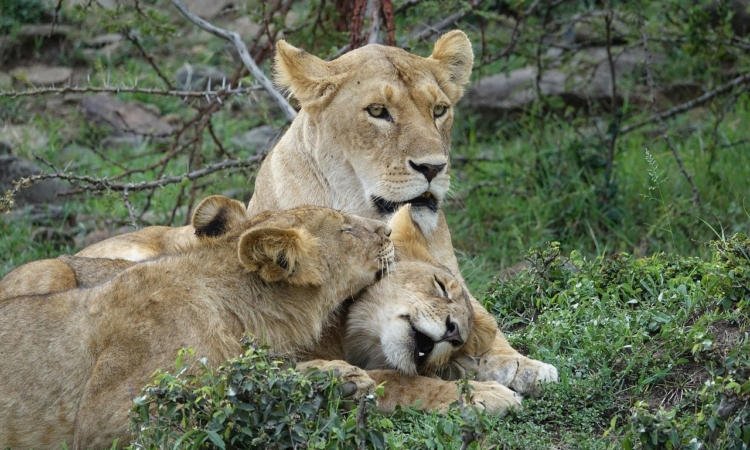
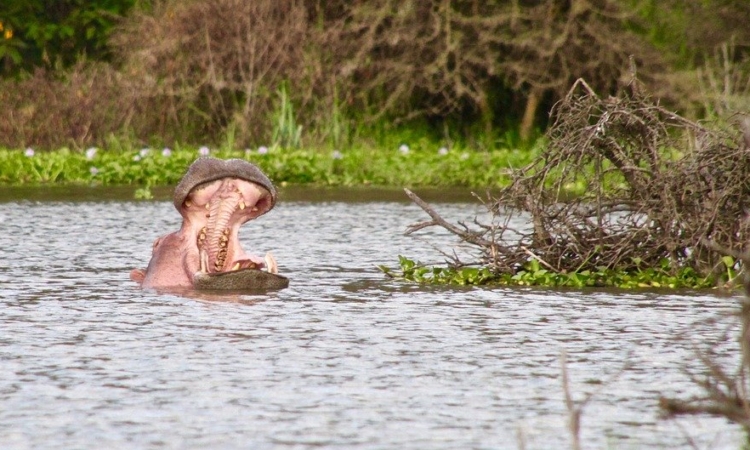
This seasonal event happens every year between the vast Savannahs of Kenya and Tanzania (Serengeti and Masai Mara). Often called “The Earth’s Greatest Show,” it also attracts predators such as lions, cheetahs, crocodiles, and hyenas, which are often seen hunting the herds.
In short, the migration is a true “survival of the fittest.” Many animals don’t make it to their destination. The journey, covering over 900 kilometers, is a search for food and water.
The herds move from Ngorongoro Conservation Area in Tanzania, through the plains of Serengeti, and into Kenya’s Masai Mara. The journey is difficult, and many animals die along the way.
Many people wonder how these animals manage to find their way back to the same places year after year, even after traveling so far. It remains a mystery of nature, but one thing is certain—this migration is something every traveler should witness.
Best National Parks for Wildebeest Migration
Serengeti National Park (Tanzania)
Serengeti is the largest national park in Tanzania and is well known for its wildlife and open Savannahs. Covering over 5,700 square miles, it is home to many animals, with wildebeests being the largest population. It became a national park in 1940 and is famous as the starting point of the migration. Serengeti is also closely connected to Kenya’s Masai Mara.
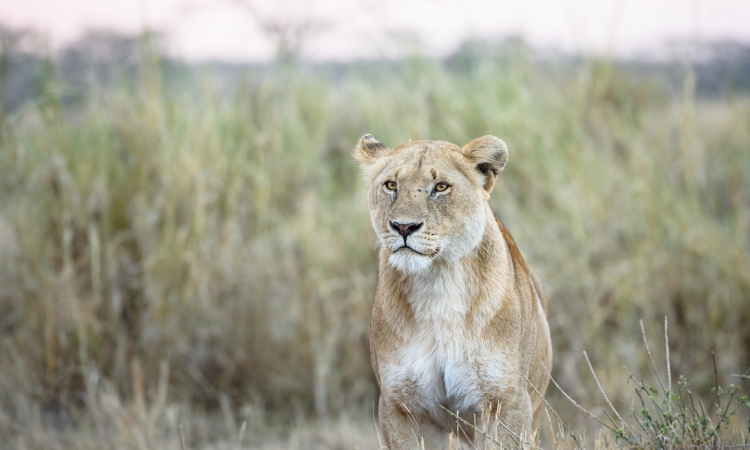
The park has the largest lion population in Africa, with over 3,000 lions. Other animals include leopards, buffaloes, hyenas, giraffes, elephants, jackals, and many more.
Masai Mara National Reserve (Kenya)
Masai Mara is one of Kenya’s largest parks, with a wide range of wildlife and vegetation, similar to Serengeti. Locals call it “Mara.” It is connected to Narok Game Reserve and has strong ties to Serengeti. The park is named after the Maasai people, who have lived there for generations. They named it after the scattered bush trees across the land.
The Maasai people have lived alongside the animals for many years, helping to keep the ecosystem balanced. The wildebeest migration is listed among Africa’s Seven Wonders and is one of the world’s top wildlife events. Masai Mara offers one of the best places to experience this.
Why Does the Migration Happen?
The main reason for the migration is to find food. Wildebeests move in large numbers, and their feeding grounds can’t support them for long. They migrate to areas where fresh grass has grown to meet their needs.
Another reason is safety. Because they are prey for many predators, wildebeests move to new areas to escape the high number of predators in their current location. This is one way they have adapted over time.
Tips for Planning a Migration Safari
- Choose the Right Season: The dry season is best for safaris because it offers clear roads and better game viewing.
- Look for Budget Packages: Many tour companies offer discounts, so check for good deals before you book.
- Know the Seasons: Learn about the key migration phases, such as calving, breeding, and river crossings, to plan your safari for the best experience.
- Book with a Professional Tour Operator: This helps with hotel reservations, transport, and other services. It also protects you from scams.
- Timing Matters: Each month has different migration activities. Booking early helps secure a spot during the best times.
Interesting Facts about Wildebeest Migration
- Around 1.5 million wildebeests join the migration each year.
- More than 500,000 calves are born annually, mostly in southern Serengeti at the start of the migration cycle. The calves can walk soon after birth and stick with the herd for safety.
- Over 100,000 wildebeests die each year, many killed by crocodiles in the Mara River or by lions, hyenas, cheetahs, and leopards.
- Wildebeests are joined by other herbivores like zebras and antelopes, all seeking food and safety.
- Major migration events happen from January to mid-March (calving) and mid-June to late October (river crossings).
Wildebeests travel more than 900 kilometers, making it the longest recorded migration journey of herbivores in Africa—and possibly the world.
Best Time for Wildebeest Safaris in Tanzania & Kenya
Both countries have similar weather, with two main seasons:
- Rainy seasons: Late February to June, and again from October to early December.
- Dry seasons: The remaining months, which are best for safaris.
Timing your visit is important to get the best experience of the wildebeest migration.
Uganda Gorilla Trekking Tours
“Gorillas in the Mist,” as the late Dian Fossey called them, are amazing apes found in the greater Virunga ecosystem and Bwindi National Park. This is one of the largest and most protected ecosystems in East Africa. There are two species of gorillas in East Africa, and in Uganda, visitors can see the mountain gorillas.
These large apes live in the misty rainforests of southwestern Uganda. The area is mountainous, with tropical rainforests growing on a chain of volcanoes along the eastern edge of the Western Great Rift Valley. This is why they are called “mountain gorillas.”
In Uganda, these gorillas live only in Bwindi Impenetrable Forest and Mgahinga National Parks. Because their habitat is limited, these areas have been declared national parks.
Another reason for making them national parks is that mountain gorillas are endangered after many years of being hunted and killed. Encroachment on forest land also became a big problem. To protect the remaining gorillas, these two parks were created. Climate change has also played a role in conservation efforts.
Bwindi Impenetrable National Park has the largest population of mountain gorillas, while Mgahinga comes second. Together, these two parks hold about half of the world’s total mountain gorilla population.
Bwindi and Mgahinga are the only parks in Uganda that have mountain gorillas, and they are famous for gorilla trekking. Tourists from all over the world visit to see gorillas in their natural habitat—something that is rare to experience in other places.
These national parks now welcome many tourists for trekking and gorilla habituation experiences. Safety is a priority, and visitors are always guided by park rangers. Rangers provide security and teach visitors about the gorillas during the trek, making the experience educational as well as exciting.
Visitors are advised to bring proper trekking gear, including goggles, trekking trousers, long-sleeved shirts, hiking boots, a backpack, insect repellent, a hat, a water bottle, a power bank, a camera, and binoculars.
Visitors can also bring any extra items they wish to make their trek more comfortable. In Mgahinga, mountain gorilla trekking is often combined with mountain hiking, since the park is located in a mountainous area of the Virunga range. Visitors also enjoy bird watching, nature walks, cultural tours, and seeing other wildlife in and around the parks.
Best Time to Visit Uganda for Gorilla Trekking
Uganda is called the “Pearl of Africa” because of its pleasant climate and beautiful nature. Its climate offers a mix of sunshine and rain. The best time to visit for gorilla trekking is during the dry months of December to February and July to September.
These months have the most sunshine, which is ideal for trekking. This is because Uganda is located in the tropical region of Africa.
Booking a Gorilla Trekking Permit
A gorilla trekking permit is required to visit the mountain gorillas. It acts as a license to access the gorilla trekking areas. The Uganda Wildlife Authority is the only body that issues these permits. For visitors who are new to the process, it is best to use a professional tour agency to help with bookings. Fees for these services can usually be negotiated between the tourist and the agency.
Price of Gorilla Trekking in Uganda
Uganda offers some of the most affordable prices for mountain gorilla trekking. Uganda is also a peaceful country with a lot to offer, and the trekking experience is budget-friendly:
- $800 for foreign non-residents
- $700 for foreign residents
- UGX 300,000 for East African citizens
These are the prices for each gorilla trekking permit depending on the visitor’s category. It is advisable to keep in touch with your tour operator to stay updated on trekking seasons, as peak seasons bring many visitors, which can affect travel schedules and overall experience.