The hot, humid summer month of January attracts visitors from around the world who come to see the great movement of wildebeests, known for their broad muzzles, Roman noses, and shaggy manes, along with zebras and gazelles.
These animals migrate through the northern corridor during calving season to find nutritious grass for their young. They later move to the northern circuit of the Ngorongoro Crater highlands, where they continue raising their calves.
During the dry season in late January, the grass is short, allowing the herds to easily spot hiding predators and better protect their young.
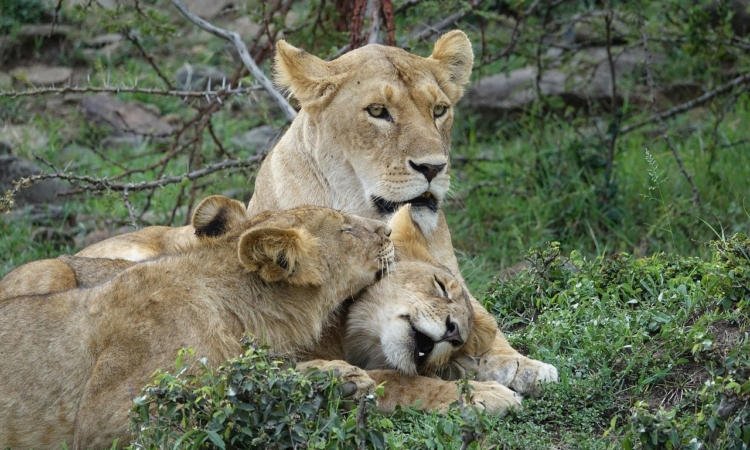
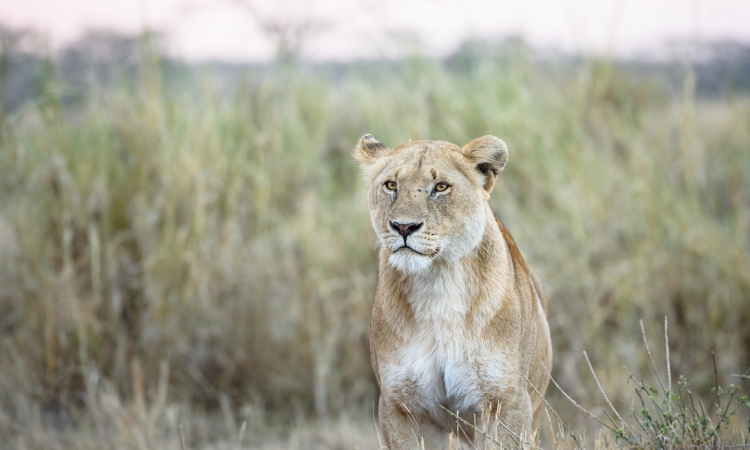
However, this does not mean predators like lions won’t attack, which is why January is often called the month of birth and death.
Accommodations in the Serengeti
While waiting for the migration in January, you can stay in well-equipped lodges with spacious parking, restaurants offering both local and international dishes, and clean, modern washrooms. Options include:
- Serengeti Safari Camp with excellent service
- Ubuntu, a luxury lodge ideal for travelers with a higher budget
- Chaka, a mid-range lodge offering a great experience
- Kiota and Namiri Plains, known for their great locations in the Serengeti
- Dunia, located in a quieter part of the Seronera region
- Olakira, among others
Popular Tourist Activities
Tourist activities include:
- Hot Air Balloon: Hot air balloon rides give guests the chance to spot many animal species and take photos from above. Enjoy this special experience in the Serengeti-Mara ecosystem.
- Nature Walk: Nature walks are guided and follow strict rules to protect both animals and visitors. Guests are reminded to stay quiet, avoid littering (bins are placed around the park), and never feed wild animals. Following these rules ensures a safe and enjoyable visit.
- Camping: Camping is popular and can be private or public, depending on your budget. Guests enjoy bush meals, and campfires are lit at night with storytelling and songs. Some rules and tips include: Do not urinate near the campsite, as animals can detect the smell. Wear earth-toned clothes during your safari. Bring medical supplies or be prepared with a first aid kit that includes bandages, scissors, safety pins, cotton, antiseptic, and more. Avoid telling scary stories about animal attacks at the campsite, as this may frighten other guests and spoil their experience.
The movement of these herds is a beautiful sight, best witnessed in the Serengeti-Mara ecosystem during the January migration.
Come and be part of this incredible experience and satisfy your curiosity.