The Northern Serengeti is a key corridor for the great wildebeest migration, linking the short-grass plains of the southern green season with the dry-season areas up north.
Although it is less visited than other parts of Serengeti National Park, this area offers quiet, untouched landscapes, making it a peaceful safari destination.
Imagine traveling through open grasslands with pockets of thick woodland, enjoying the quiet with only birdsong and the soft sound of wind in the trees.
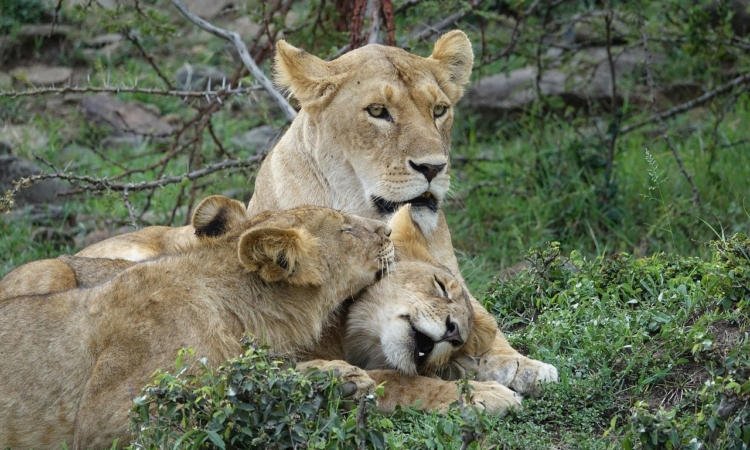
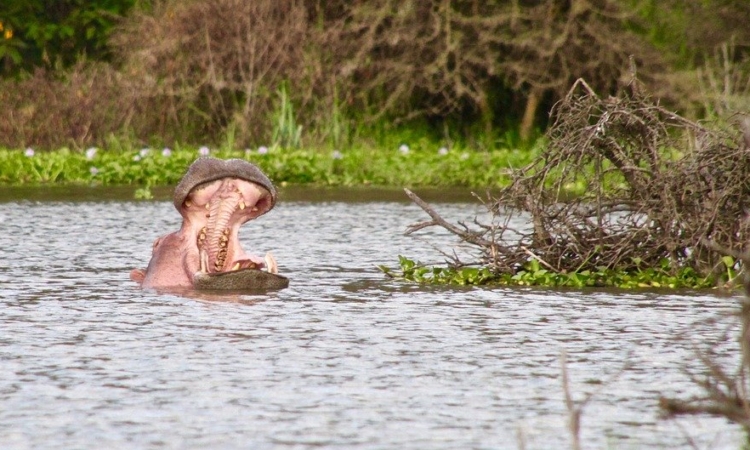
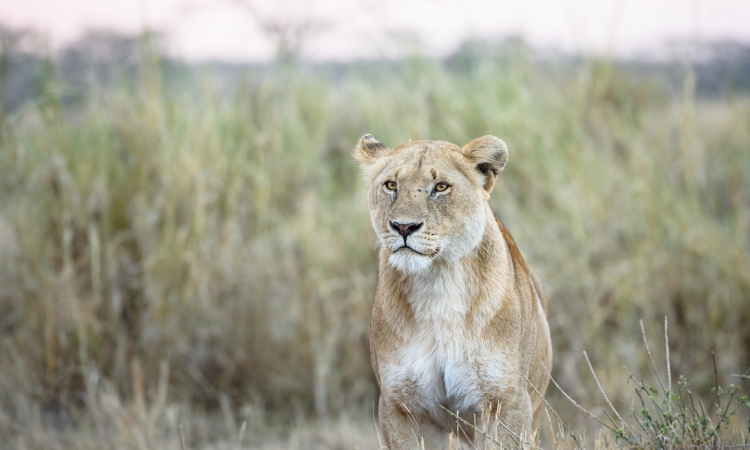
Visitors to this region are rewarded with beautiful landscapes, acacia woodlands scattered across the plains, and excellent wildlife sightings. You can see big cats such as lions, leopards, and cheetahs, along with many herbivores like buffaloes, antelopes, giraffes, elephants, rhinos, elands, zebras, and more.
Serengeti North is especially known for wildebeest calving, making it a top choice for those who want to see new life beginning. Even if that’s not your main goal, you shouldn’t miss watching the huge herds of wildebeests and zebras as they brave the dangerous crossing of the crocodile-filled Mara River in June and July.
Accommodations in Northern Serengeti range from simple to luxury options, including Serengeti Serena Safari Lodge, Mbuzi Mawe Serena Camp, Africa Safari Serengeti, Muthu Keekorok, Serengeti Simba Lodge, and Four Seasons Safari Lodge Serengeti. These places are known for their friendly staff, fresh meals, and great game viewing.
The Lobo area, also in the northern Serengeti, has different landscapes compared to the southern plains. When you explore this region by safari vehicle, you will see big hills and rocky outcrops called kopjes, which are favorite resting spots for lion prides.
Further north, you reach the Mara River, marking the border between Tanzania’s Serengeti National Park and Kenya’s Masai Mara National Reserve.
Lobo is well known for its elephant population, with more sightings here than in many other parts of the Serengeti. It’s also home to large lion prides, cheetahs, leopards, spotted hyenas, bat-eared foxes, and servals, a small spotted cat often seen in the early morning.
Visitors to Lobo enjoy easy access to areas where night drives and walking safaris are allowed, in addition to regular game drives. Accommodation options include Lobo Wildlife Lodge, Selous River Camp, AndBeyond Ngorongoro, and AndBeyond Klein’s Camp, all offering good service and comfort for tourists.
The Loliondo Game Controlled Area, while not part of Serengeti National Park, plays a key role in the migration route across the Serengeti ecosystem.
It can be reached through Klein’s Gate, 20 kilometers north of Lobo, and stretches about 4,000 square kilometers along the northeastern border of Serengeti National Park and the northern side of the Ngorongoro Crater area. No matter how you travel, you’ll enjoy wide views of the land.
Loliondo is also a grazing area for the Maasai people, who share the land with wildlife, herding their cattle alongside wild animals. Lodges and camps in Loliondo include Leonell Villas Lodge, Dodoma Shine Lodge, Sun Bright Lodge, and Njia Panda Tented Lodge, each set on different concession sizes.
The largest and most well-known concession is Klein’s Camp, where guests can join adventure safaris, nature walks, and camping trips with African Adventure Vacations.
Experience an unforgettable journey by exploring Northern Serengeti, Lobo, and Loliondo.